Organizer: Keio University CCRC, MITRE Corporation
Venue: Mita, Tokyo
1. Overview
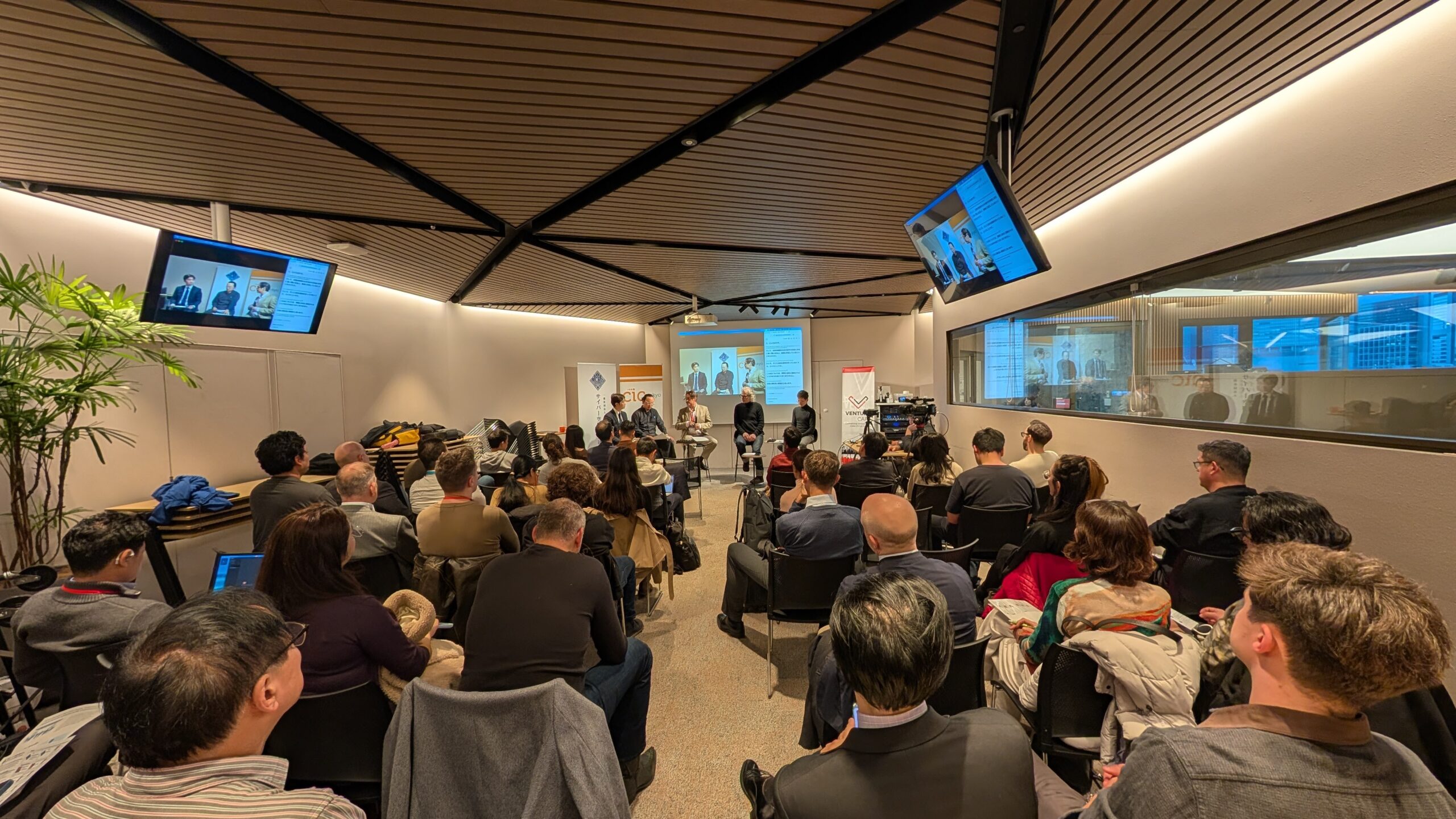
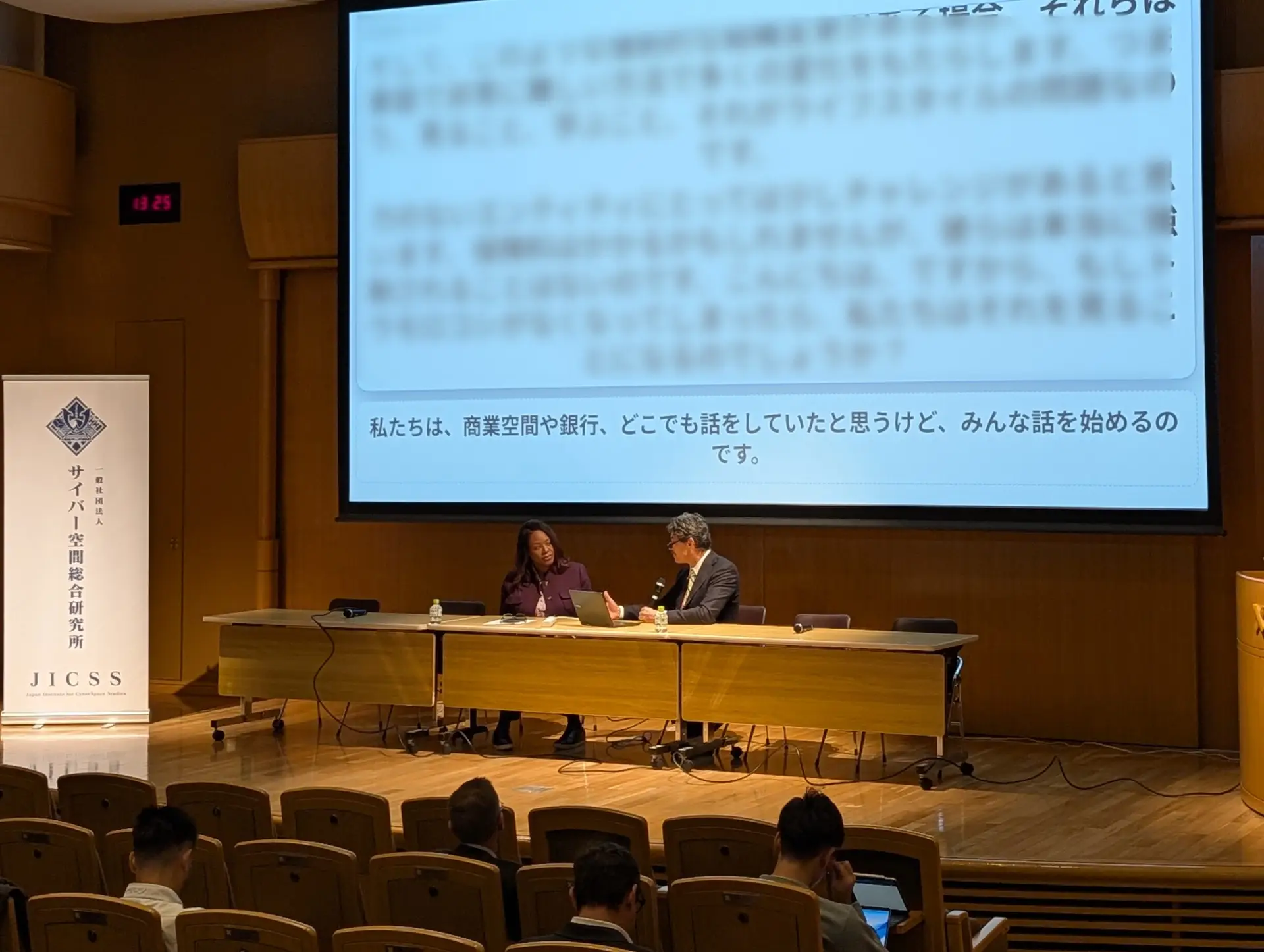
The 14th International Cybersecurity Symposium, jointly convened by Keio University’s Center for Cybersecurity Research (CCRC) and the MITRE Corporation (USA), was held from October 30 to November 1, 2024, at Keio University’s historic Mita Campus in Tokyo. The symposium brought together distinguished experts and stakeholders from Japan and abroad in a hybrid format to deliberate on strategic themes at the intersection of national security, economic resilience, and cybersecurity policy.
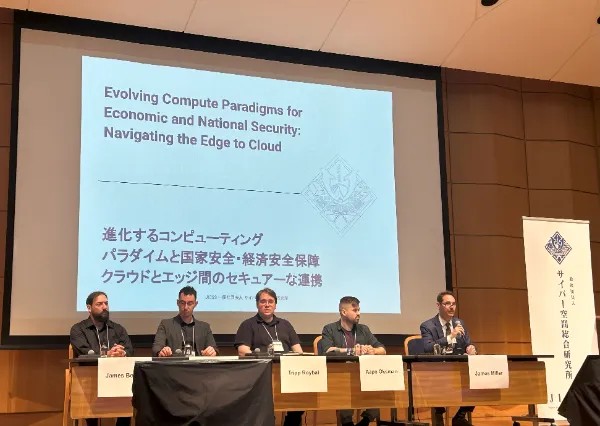
JICSS contributed to the symposium by organizing a panel on October 31 entitled:
“The Evolving Computing Paradigm and National Security—Exploring Spatiotemporal Integration from Edge to Cloud”
2. Discussion Summary
The session examined the strategic ramifications of shifting compute architectures—from edge to cloud—in the context of Japan’s digital transformation. Discussions focused on system integrity in distributed environments, cybersecurity vulnerabilities across the compute continuum, and the critical role of emerging technologies—such as AI, IoT, and quantum computing—in securing sovereign digital infrastructures.
Moderator
James Miller (Director, JICSS)
Panelists
Tripp Roybal (CTO, Japan Secure Technologies, Inc.)
Kamel Ghali (Vice Chair, Car Hacking Village)
Aapo Oksman (Founder, Juurin Oy)
James Bettke (Cybersecurity Researcher / Intelligence Specialist)
Key Topics Discussed
- The strategic role of edge-to-cloud paradigms in Japan’s ongoing digital transformation
- Security and trustworthiness challenges across the compute continuum
- Data integrity and authentication within distributed architectures
- Governance of dual-use technologies, with emphasis on IoT, AI, and quantum systems
Outcomes and Proposals
- The formulation of a research agenda on secure and distributed computing frameworks
- Preliminary implementation guidelines tailored for sensitive government deployments
- A proposal to establish a multi-stakeholder working group to address the governance of dual-use technologies
Audience Feedbacks
Participants commended the session as a timely and thought-provoking forum for grappling with emerging cybersecurity issues. Suggestions for future discussion included deeper focus on quantum computing and expanded treatment of operational case studies.
3. Acknowledgments
JICSS extends its sincere appreciation to Keio University’s Center for Cybersecurity Research and the MITRE Corporation for the kind invitation to participate in this landmark event. We also wish to thank our esteemed panelists—leading cybersecurity professionals from Japan and the international community—for their insightful contributions to the dialogue.
Link to the official report: