Oct. 1, 2024
North Carolina, USA
Organizer: JICSS, Japan Secure Technologies KK, COW(USA)
Place: CA, USA
1. Executive Summary
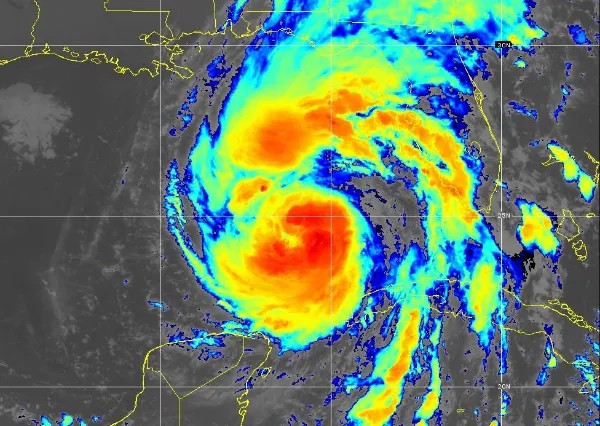
In response to Hurricane Helene’s devastating impact on North Carolina and surrounding states, Covert Operations and Weapons (COW) and Japan Secure Technologies, K.K., with support from the Japan Institute for CyberSpace Studies (JICSS), conducted joint drone-enabled disaster response operations. The mission focused on aerial reconnaissance, infrastructure assessment, and support for emergency response coordination in severely affected areas including Swannanoa, Bat Cave, and Chimney Rock regions of North Carolina.
2. Operational Overview
Primary Mission Objectives
- Conduct aerial reconnaissance of damaged infrastructure
- Support search and rescue (SAR) operations
- Establish emergency communications capabilities
- Facilitate data collection for damage assessment
- Assist in coordinating relief logistics
Key Achievements
- Successfully completed aerial surveys of Swannanoa area infrastructure
- Conducted critical bridge damage assessment using drone technology
- Maintained safe drone operations below 2,060 feet MSL to avoid conflicts with other aircraft
- Established coordination with FEMA and local emergency response teams
- Provided photogrammetric imagery support in areas with limited satellite visibility due to cloud cover
3. Technical Implementation
Drone Operations
- Deployed specialized “Heifer” drone systems for wide-area surveys
- Utilized dual-mode imaging:
– 4K visible spectrum cameras
– 640×512 thermal imaging for heat source detection - Maintained local data storage with secure chain of custody protocols
- Implemented 20-minute operational cycles with battery management protocols
Data Management
- Established local SD storage systems for immediate data capture
- Implemented sneakernet protocols for secure data transfer
- Utilized secure geospatial data processing and sharing capabilities
- Maintained secure edge to cloud data sharing between US and Japanese private and public teams
Coordination with Local Authorities
- Established working relationship with National Guard units
- Coordinated with FEMA representatives (POC: glen.russell@fema.dhs.gov)
- Engaged with local construction teams for infrastructure assessment
- Maintained communication with local law enforcement, including Woodfin police
Operational Adjustments
- Successfully redirected operations from initial Bat Cave/Chimney Rock targets to Swannanoa area due to National Guard restrictions
- Adapted flight patterns to maintain safe separation from other aircraft
- Modified photogrammetric collection strategies to operate below treetop level
- Implemented flexible deployment patterns based on changing ground conditions
Japanese Technical Support
- Provided secure data transmission protocols
- Shared expertise from previous disaster response operations
- Facilitated implementation of advanced drone operation techniques
- Supported integration of Japanese and US emergency response methodologies
3. Lessons Learned
Equipment Considerations
– Battery management crucial for continuous operations
– Need for redundant power sources identified
– Importance of local charging and network capabilities confirmed
Operational Planning
– Flexibility in mission planning essential due to dynamic conditions
– Pre-deployment coordination with local authorities critical
– Need for alternative operation sites and backup plans confirmed
Inter-agency Coordination
– Successful integration of US-Japan technical teams
– Effective communication protocols between international partners
– Smooth adaptation to changing security requirements
4. Future Recommendations
- Enhance battery and power management capabilities
- Expand secure data transmission capabilities
- Develop more robust alternative site planning
- Strengthen international coordination protocols
- Implement improved real-time data sharing systems using edge compute and storage
Contact:
JST : jjmiller@japansecure.tech
COW : strout@cow.ventures